


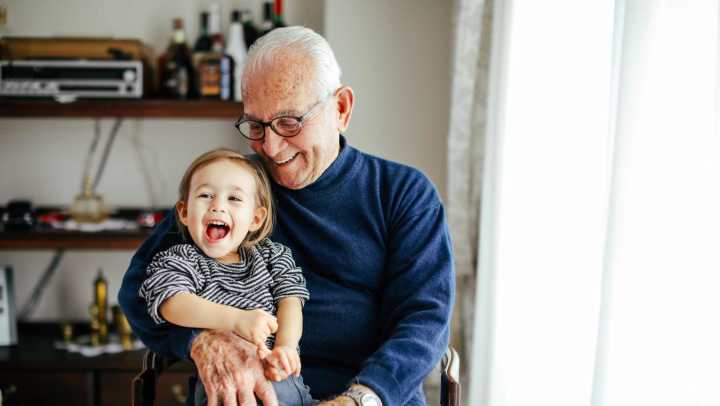
While social circles may shrink as we age, opportunities for intergenerational relationships abound. In this article, we discuss the value of these connections and the benefits older adults and younger people can uncover when they strengthen bonds across generations.
Grandparents and Grandchildren: The Benefits of Intergenerational Relationships
As older adults live longer past retirement and a growing number of young adults become caregivers for their elderly relatives, opportunities to form strong intergenerational bonds abound. These relationships offer an often underappreciated connection that can bring a wealth of benefits for all ages.
For young adults, fostering a relationship with a grandparent, other older relative, or elderly neighbor can provide crucial mentorship and a stronger sense of self. Older adults who form strong bonds with their grandchildren and other youth can benefit from mutual learning, reduced loneliness, and cognitive interaction.
Seeking out intentional bonds with people from a different generation, whether they’re older or younger than us, helps us challenge stereotypes and draw wisdom from a variety of sources. In this article, we’ll discuss why and how these relationships can help seniors and young people live a more socially connected life.
Key Takeaways
-
Intergenerational relationships offer mental, emotional, and physical benefits to both older adults and young people.
-
Spending time with members of the younger generation keeps seniors more physically and mentally active.
-
Strong social bonds have been linked to better health outcomes, and intergenerational bonds are no exception.
-
Building a strong bond with grandparents and other older adults helps young adults and children strengthen their sense of self, navigate life’s challenges, and connect with their culture, family history, and community.
-
Senior living communities offer unique opportunities for nurturing intergenerational relationships and preventing loneliness, providing essential social connection, support, and shared experiences.
Intergenerational Relationships & The Benefits For Older Adults
Studies have found that intergenerational relationships — meaningful connections between people from different age groups — can encourage better health and well-being across the age spectrum.
Many seniors who regularly interact with young people will tell you that those relationships “keep them young.” While these bonds are often familial, they don’t necessarily have to be. Youth mentors and aging professors, for example, often find that their connection with their pupils keeps them on their toes and helps them stay young at heart even into their retirement years.
Older adults who form intergenerational bonds can expect a range of cognitive, physical, and emotional benefits.
Cognitive benefits. Spending time with someone from another generation stimulates your brain as novel conversations, learning about unfamiliar topics, and engaging with new technology act as natural cognitive exercises. Seniors who spend time connecting with their grandchildren, young nieces or nephews, mentees, students, and other young people lower their risk of cognitive decline and keep their minds sharp.
Physical benefits. Study after study has found that social connections are positively linked with better health outcomes. Loneliness and isolation can be silent killers among the population, and seniors face many age-related challenges that put them at higher risk, such as shrinking social circles and a decreased ability to leave their home.
But stronger social bonds can contribute to a senior’s health and well-being by lowering stress levels, improving heart health, boosting immune response, and resulting in fewer hospital visits, or even longer lifespans.
Older adults who spend time babysitting or playing with their grandkids can also enjoy the physical benefits that come with increased exercise. Physical activity can improve seniors’ balance, muscle and bone strength, hand-eye coordination, flexibility, and energy levels. This can in turn lead to a lower risk of falls, which are one of the most common causes of injury among adults over 65.
Emotional benefits. Perhaps one of the greatest benefits intergenerational relationships bring seniors is a renewed sense of purpose. Sharing one’s life stories, words of wisdom, family history, and unique experiences with people who are interested in hearing about them instills a deep sense of inner value in older adults. Relationships across generations counter feelings of loneliness and isolation that seniors may experience, protecting them from emotional health issues and high stress levels.
Intergenerational Relationships & The Benefits For Children and Young Adults
The benefits of intergenerational relationships are not one-sided. Having a close-knit bond with a senior loved one provides children, adolescents, and young adults with greater emotional security and a safe, non-judgmental space to go to for advice and life lessons.
Mentorship and stability. Older adults bring a lifetime of experience and hard-learned lessons into their intergenerational bonds. Young people can benefit from senior loved ones’ advice and assistance with navigating life’s trials and difficulties. While parental support is important for children and young adults, extra support and guidance from non-parental figures can offer a wider range of perspectives and help youth feel a greater sense of stability.
History and cultural ties. Young people who want to learn more about who they are and where they come from can benefit from talking to older relatives and community members. Older adults provide a tangible link to family history and traditions, cultural practices, and local history. Through storytelling and physical mementos, seniors can pass down important knowledge and empower a sense of identity and belonging.
Sense of self and increased confidence. Grandparents can offer a comforting and non-judgmental refuge for children and young adults. Researchers have found that children with higher levels of positive grandparent involvement tend to experience fewer emotional and behavioral difficulties.
Creating a space where young people feel accepted as they are and know they will receive unconditional love builds their confidence and sense of self, making it easier for them to contribute positively to the world around them.
Intergenerational Relationships & The Benefits For Communities
Intergenerational relationships foster the exchange of knowledge between different age groups, encouraging fresh perspectives and passing along valuable skills and lessons. This knowledge exchange is foundational for forming a healthy and functional society. Throughout the ages, humanity has thrived with collaboration between communities and two-way sharing of expertise and practical skills.
Spending quality time with people from different generations fosters open-mindedness and reduces the likelihood of developing ageist stereotypes. It can encourage empathy and consideration for the challenges experienced by those of all ages, leading to a more compassionate worldview on all sides of the generational divide.
Intergenerational Relationships & The Benefits of Senior Living
One of the many benefits of moving to a senior living community is the opportunity to nurture relationships with multiple generations. As residents, seniors can make connections with community team members, volunteers, guests, neighbors, family members, and friends young and old.
What does this look like in a senior’s daily life?
-
Accessibility: Communities coordinate regularly scheduled activities and programs with local students, church groups, and civic organizations.
-
Shared experiences: Residents can enjoy shared experiences in the comfort of home and in the local community. (Classroom visits, student-led worship services, scout group service projects, college student partnerships, etc.)
-
Close proximity: Residents without family nearby can find supportive relationships within the community.
-
Friends and family: Seniors enjoy meeting and getting to know family members of fellow residents.
-
Decreased loneliness: Frequent interaction with community staff of all ages offers essential social connection, even for the most introverted seniors.
Communities foster an environment where loved ones of all ages are welcome. Residents are encouraged to spend time with younger family members and may find opportunities to volunteer and provide mentorship within their local community. Whether your loved one resides in an independent living, assisted living, or memory care community, meaningful connection is always close by.
Could a senior living community offer the connection you’re missing?
Community living might be just the right fit.
To learn more about how senior living communities can encourage intergenerational relationships and enrich your life or the life of your older loved one, connect with a Cardinal Bay senior care expert today! Check out our valuable free resources by subscribing to our blog or scheduling a tour at any of our independent living, assisted living, and memory care communities in Central Texas and Oklahoma.